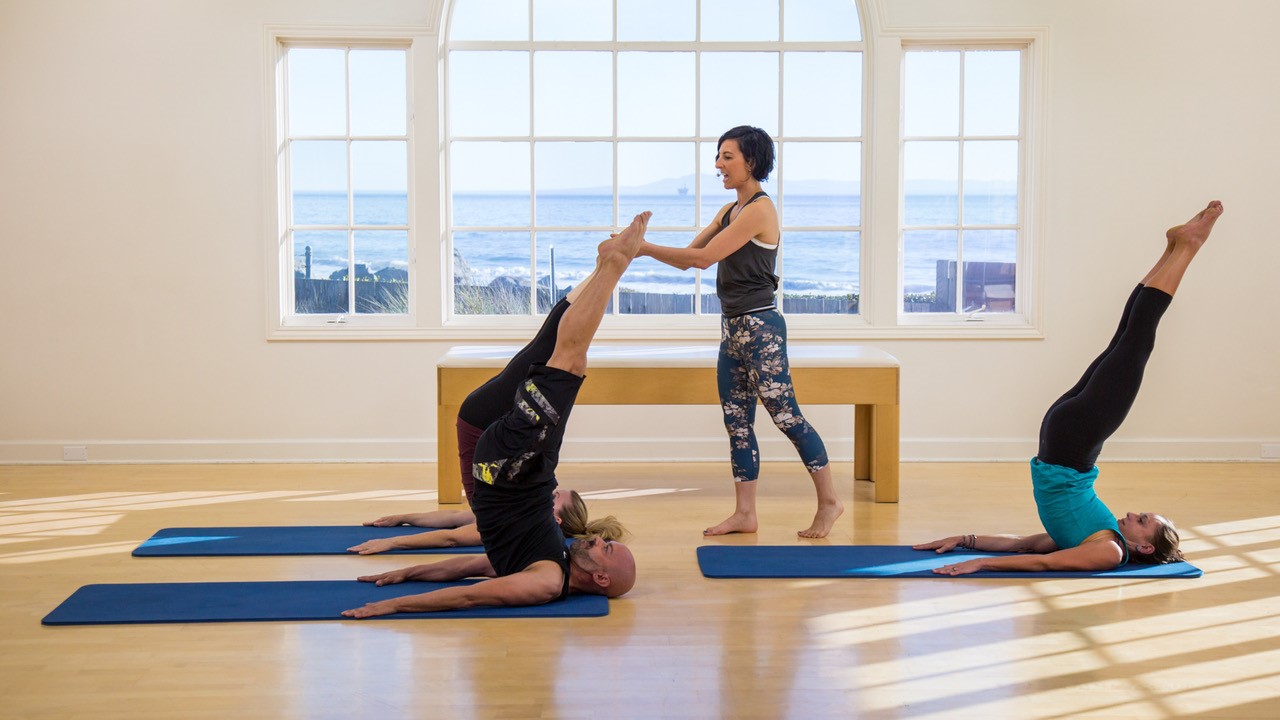
Inclusivity in Pilates is not about changing everything you teach. It is about how you teach. The words you choose, the options you offer, and the environment you create all shape whether a client feels welcome and capable.
An inclusive class helps every person feel seen, supported, and successful, no matter their body, age, background, or experience level. Small teaching choices can have a big impact. Here are five practical ways to make your Pilates classes more inclusive, starting from your very next session.
1. Teach the Person, Not the Ideal
Everybody who walks into your studio carries a different history. Some clients are returning from injury. Others are new to the movement. Some are confident. Others feel unsure before they even lie down on the mat.
Inclusive teaching begins with letting go of the idea of a “perfect” Pilates body or movement. Instead, you focus on adaptability, curiosity, and respect for individual experience.
This philosophy sits at the heart of the Polestar approach. If you explore the foundations outlined on the Polestar Pilates Education overview, you will see how whole-body wellness and critical thinking support teaching that meets people where they are, not where you think they should be.
When clients feel accepted as they are, they relax. When they relax, they move better.
2. Offer Meaningful Options Without Drawing Attention
Options are one of the most powerful tools for inclusion. They allow clients to choose what works for them without feeling singled out.
Instead of presenting modifications as a fallback, offer them as equal pathways. For example, you might say, “You can explore this version if you want more support, or this one if you want a little more challenge.”
This approach removes hierarchy. No option feels lesser. Everyone is simply choosing what their body needs that day.
In smaller or more personalised learning environments, teachers often practise this skill in depth. Polestar’s private courses give educators the space to refine how they present choice, so clients feel empowered rather than exposed.
3. Use Language That Invites, Not Assumes
Language can open doors or quietly close them. Inclusive cueing avoids assumptions about strength, flexibility, pain, or goals.
Phrases like “If it feels right for your body” or “Notice what works best for you today” give clients permission to listen inward. This is especially important for people who may have felt excluded from fitness spaces in the past.
Continuing to refine your language is part of growing as a teacher. Polestar’s continuing education programs focus on communication, motor learning, and adaptable teaching strategies that help instructors reach a broader range of clients with clarity and care.
When clients feel no pressure to perform, they are more likely to stay present and engaged.
4. Educate Yourself Beyond the Studio
Inclusivity is supported by understanding. The more you know about movement, health, and diverse bodies, the more confidently you can adapt your teaching.
This does not mean turning every class into a lecture. It means grounding your decisions in evidence and staying curious about how different people experience movement.
Resources like the Polestar Pilates Research Library make current research accessible to teachers. They help bridge the gap between science and practice, giving you confidence to support clients of varying ages, abilities, and health backgrounds.
Knowledge builds confidence, and confident teachers create safer, more inclusive spaces.
5. Create Space for Ongoing Learning and Conversation
Inclusivity is not a checklist. It is an ongoing process that grows through reflection, feedback, and shared learning.
Workshops and webinars can be powerful spaces to hear new perspectives, ask questions, and learn from others in the teaching community. Polestar’s live and recorded education webinars offer practical insights that teachers can apply straight away, often grounded in real teaching scenarios.
It is also important to recognise how Pilates can support people across the health spectrum. Education around rehabilitation and clinical application, such as insights shared in Pilates for Rehabilitation: Bridging the Gap Between Fitness and Therapy, helps teachers feel more confident working inclusively with clients managing pain, injury, or long-term conditions.
The more perspectives you engage with, the more inclusive your teaching naturally becomes.
Inclusivity Starts With Intention
Making your classes more inclusive does not require a complete overhaul. It starts with intention, awareness, and small daily choices.
Teach the person in front of you. Offer options with respect. Choose words that invite exploration. Keep learning. Stay open to feedback.
If you would like support in developing a more inclusive teaching approach or want to explore education pathways that align with these values, you can reach out directly through the Polestar contact page.
Every client deserves to feel welcome and capable. As a teacher, you have the power to create that experience, one class at a time.