
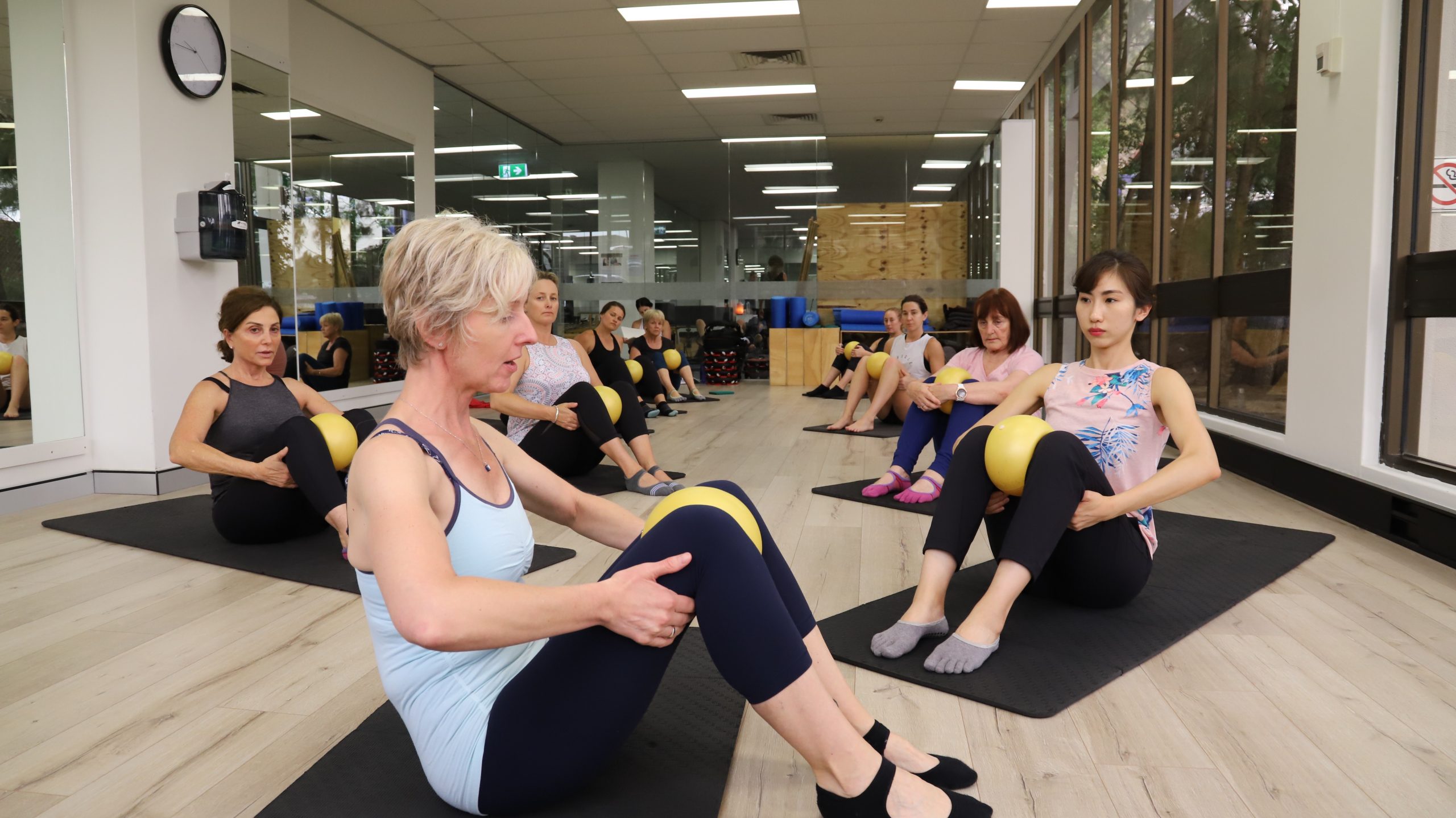
Movement is not just a physical experience. Every time your clients move, their brains are organising information, forming connections, and refining coordination. Pilates supports this process by asking the brain and body to work together with intention and awareness. This is why Pilates often feels mentally engaging as well as physically challenging.
At its core, Pilates trains how people move, not just what they move. Attention, precision, and adaptability are built into every exercise. These elements stimulate the nervous system and support long-term learning. This integrated approach reflects the broader philosophy shared across Polestar Pilates Australia.
Understanding Neuroplasticity Through Movement
Neuroplasticity is the brain’s ability to change and adapt through experience. Movement plays a key role in this process, especially when it requires coordination, focus, and problem-solving. Pilates encourages clients to refine movement patterns rather than repeat them mindlessly. This challenges the brain to stay engaged and responsive.
When clients learn new movement strategies, their brains create stronger neural pathways. Over time, this improves balance, coordination, and body awareness. Understanding anatomy and how the nervous system responds to movement supports this learning. Courses such as the Polestar Anatomy and Physiology online course help teachers connect movement with brain function more clearly.
Why Pilates Is a Form of Brain Training
Pilates requires attention to breath, alignment, timing, and control. These elements demand active participation from the brain rather than passive repetition. Clients are constantly making small adjustments, which strengthens motor learning. This process supports both physical and cognitive resilience.
Classes that emphasise quality over quantity are especially effective for brain health. Slower, intentional movement gives the nervous system time to adapt. This approach is explored regularly through insights and teaching reflections shared on the Polestar Pilates blog. These resources help teachers translate science into practical teaching strategies.
Practical Ways to Integrate Brain-Based Teaching
You do not need complex exercises to stimulate the brain. Simple changes such as varying tempo, changing starting positions, or adding directional challenges can increase cognitive engagement. Asking clients to notice differences between repetitions also encourages awareness. These strategies keep the brain active without overwhelming the body.
Teaching in this way requires observation and adaptability. Skilled educators adjust cues based on how clients respond rather than following a fixed script. The experienced professionals featured on the Polestar Pilates Australia team page demonstrate how thoughtful cueing supports both learning and confidence. Their approach highlights the balance between structure and exploration.
Supporting Cognitive Health Across the Lifespan
Pilates supports cognitive health for clients of all ages. For younger clients, it builds focus and coordination. For older adults, it supports balance, memory, and confidence in movement. This makes Pilates a valuable tool for lifelong brain health.
Online resources can help teachers explore these ideas further. Guided movement experiences, such as those available through Polestar online classes, demonstrate how intentional movement supports both mental and physical wellbeing. These formats also show how to adapt sessions for different needs and environments.
Continue Exploring Movement, Learning, and the Brain
Understanding how movement influences the brain deepens your impact as a teacher. It helps you create sessions that support learning, confidence, and long-term wellbeing. Pilates becomes more than exercise when it is taught with this awareness. It becomes a tool for building smarter, more adaptable bodies.
If you would like to explore education pathways or learn more about integrating brain-based principles into your teaching, support is available. Polestar Pilates Education offers resources and guidance for continued professional growth. Contact us now.