
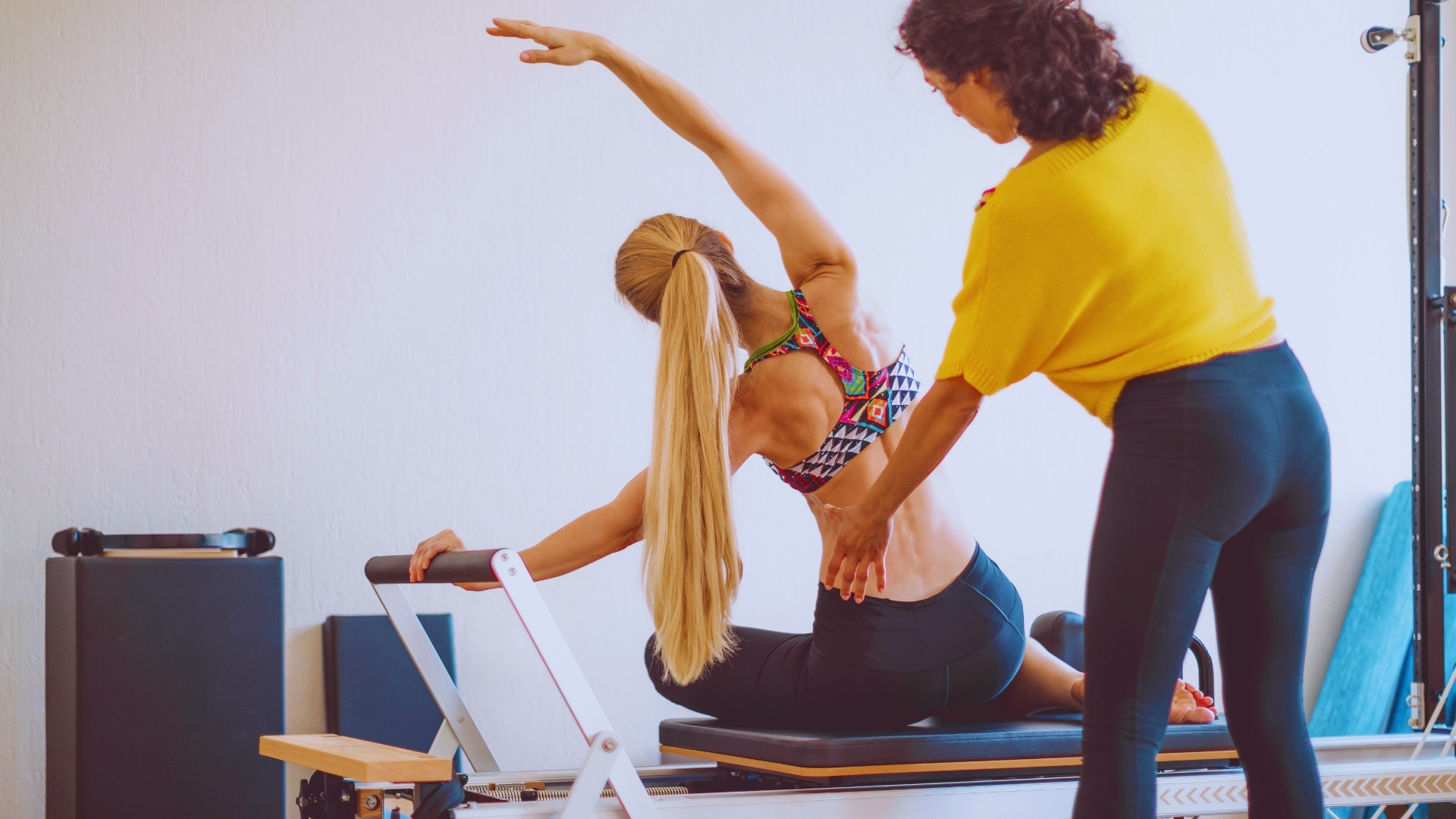
When you first start teaching Pilates, it’s easy to feel like there’s so much to remember. Every movement, every client, every cue, can all feel a bit overwhelming. But here’s the good news: making mistakes is part of growing as an instructor. The important thing is to learn from those mistakes and adjust. We’ve all been there, and we’re here to help you avoid some of the most common pitfalls.
Let’s dive into the most common mistakes new Pilates instructors make and, more importantly, how to avoid them.
1. Overloading Clients with Too Much Information
One of the biggest challenges as a new instructor is knowing how much information to give your clients. It’s tempting to share everything you know about an exercise, the muscles involved, and why they should do it in a particular way. But this can quickly overwhelm clients, especially if they are beginners.
Keep it Simple and Clear
Focus on delivering simple, clear cues. Instead of bombarding clients with everything at once, break down instructions into bite-sized pieces. Highlight one or two key points per exercise. For example, for a plank, you could say: “Draw your belly button in and lengthen your spine.” Once clients are comfortable with those basics, you can add more advanced cues. Remember, the goal is for your clients to feel confident, not overloaded.
Tip: Keep a few key cues in mind for each exercise and stick to those. Over time, you can add more details, but always check in to see how much information your clients are processing.
2. Not Observing Your Clients Enough
As instructors, we are often so focused on our teaching that we forget to observe our clients closely. Noticing how they are moving and adjusting their bodies is essential for guiding them effectively.
Watch for Posture and Alignment
Your clients rely on you to spot posture and alignment issues. The more you observe, the better you can correct any misalignments and prevent injury. Always scan the room to check on your clients’ forms. Is someone collapsing in their lower back? Are they holding tension in their shoulders? You can make simple adjustments that will make a big difference in their experience.
Tip: During class, give yourself small goals like focusing on one or two key movements to watch. For example, make sure you’re always checking if their shoulders are relaxed or if their pelvis is in neutral alignment.
3. Focusing Too Much on Perfection
It’s easy to get caught up in the idea that everything needs to be perfect. You may feel like your clients need to execute every movement exactly as it’s shown, but in reality, this mindset can hold both you and your clients back.
Emphasise Progress, Not Perfection
Instead of aiming for perfection, celebrate the progress your clients make. Pilates is all about building strength, flexibility, and awareness over time. A small improvement is a victory! When clients feel good about the progress they’re making, they’ll stay motivated.
Tip: Remind your clients that Pilates is a journey. Tell them that it’s okay to modify exercises and that progress is about how they feel, not how they look during the exercise.
4. Using Complicated Terminology
As Pilates instructors, we know that sometimes the technical terminology can be hard to avoid. But using overly complicated language can confuse clients and make them feel disconnected from the session.
Speak Simply and Clearly
Instead of using complex anatomical terms, use language that’s easy for your clients to understand. For example, instead of saying, “eternally rotate your shoulder and lateral flex,” simply say, “rotate your arm outwards and then side bend.” Focus on clear, simple cues that they can follow without thinking too much.
Tip: If you do use any technical terms, take a moment to explain what they mean in plain language. This keeps the class accessible for everyone, no matter their experience level.
5. Not Adjusting Exercises for Individual Needs
Each client’s body is different. While the Pilates repertoire works well for many, it’s essential to adjust exercises to suit individual needs. If you aren’t personalising exercises, you might miss the opportunity to make a real difference for your clients.
Personalise for Each Client
Take time to assess your clients before each session. Are they dealing with any injuries or limitations? Do they have specific goals, such as improving posture or strengthening their core? By understanding each client’s needs, you can modify exercises to suit them better. If someone is pregnant or has knee pain, offering modifications will make them feel supported and safe.
Tip: Regularly ask clients how they’re feeling in class. Small adjustments can make a big difference, so don’t be afraid to personalise exercises even in a group class setting.
6. Neglecting Your Own Self-Care
As an instructor, it’s easy to get caught up in teaching everyone else, but neglecting your own self-care can quickly lead to burnout or injury. You need to practice what you teach to maintain your energy and stay healthy.
Take Time to Recharge and Stay Healthy
When you prioritise your own well-being, you’ll have more energy to give to your clients. Whether it’s taking a Pilates class, going for a walk, or simply taking time to relax, make sure you’re recharging. You cannot pour from an empty cup, so take the time to nurture yourself both physically and mentally.
Tip: Schedule self-care time regularly, just like you would a class or appointment. Make it a priority.
7. Ignoring Client Feedback
Sometimes we think we know exactly what our clients need, but the best way to understand their experience is to ask them directly. Ignoring client feedback can limit your growth as a teacher and might leave your clients feeling unheard.
Encourage Open Communication
Create an environment where clients feel comfortable giving feedback. After each class, ask them how they felt, if there’s anything they struggled with, or if they have any questions. This open communication helps you adjust your teaching style and ensures your clients feel supported.
Tip: Don’t wait until the end of the class to ask for feedback. Check in throughout the session to make sure everyone is comfortable and getting the most out of the practice.
Conclusion
The road to becoming a great Pilates instructor is full of learning moments. Mistakes will happen, and that’s okay. What matters most is recognising them, reflecting on them, and adapting. By focusing on progress over perfection, keeping things simple, personalising sessions, and listening to your clients, you will continue to grow in your teaching practice.
Keep Learning with Polestar Pilates Education
At Polestar, we believe in the power of lifelong learning. Our continuing education programs are designed to support your growth and help you become the best teacher you can be. Whether you’re refining your cueing, learning new techniques, or expanding your knowledge of Pilates, our community is here to help you grow. Explore our upcoming courses and workshops, and take the next step in your Pilates journey with Polestar.